
Amazon Impersonation Scams: What Businesses Can Learn About Remote Access Fraud
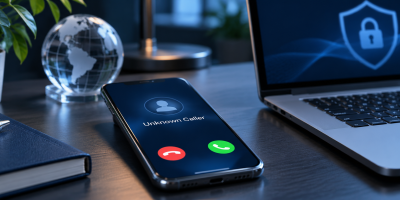
An unexpected call about suspicious activity on an account can make anyone feel they need to act quickly. Criminals know this and may pose as a familiar company to persuade someone to share sensitive information or hand over control of a device.
A recent alert from City of London Police highlights how convincing these approaches can be. While the reported cases concern people contacted as Amazon customers, the tactics offer useful lessons for businesses and their employees.
What did the police alert report?
On 30 October 2026, City of London Police published an alert about criminals impersonating Amazon representatives.
According to the alert, Report Fraud received 110 reports involving Amazon impersonation between 5 and 14 October 2026, with reported losses totalling £86,837.
The criminals contacted people unexpectedly and claimed there was suspicious activity on their Amazon accounts; in some cases, they said unauthorised items had been added to an account holder’s basket and that someone was attempting to use their bank details.
The callers then offered to resolve the supposed problem, asking victims to follow instructions that could expose their information, devices or money.
The alert describes criminals impersonating Amazon, it does not establish that Amazon suffered a security breach.
How did the impersonation scam work?
The police described several tactics used by the criminals. Depending on the case, victims were persuaded to:
- Share their screens through messaging platforms and download money transfer apps
- Provide identity documents, such as a passport or driving licence, supposedly to verify their identity
- Install remote access software, allowing the criminal to take control of a device
- Authorise payments after being told that urgent action was needed to stop unauthorised gift card purchases
These requests were presented as ways to secure an account or prevent a loss. In reality, the police said the criminals used them to facilitate fraud and steal money.
Why should businesses pay attention?
The police alert focuses on people contacted as Amazon customers; it does not say that the reported victims were businesses. However, the approach is relevant to the workplace because employees regularly deal with suppliers, service providers, deliveries, payments and IT support.
A similar request could appear to come from a company’s bank, a software provider or a technical support team. An employee who believes they are resolving an urgent issue might be asked to share their screen, install software or reveal information.
That does not mean every unexpected call is fraudulent, it does mean businesses should give staff a clear way to pause and verify a request before acting.
Warning signs to share with your team
Employees should be cautious when an unexpected caller:
- Claims there is an urgent account, payment or security problem
- Pressures them to act immediately or keep the conversation private
- Asks them to install software or provide remote access
- Requests passwords, authentication codes, financial details or identity documents
- Asks them to make or authorise an unexpected payment
- Provides contact details or a link and insists these must be used to resolve the issue
A familiar company name or a convincing caller ID is not proof that a call is genuine. City of London Police advises people to end a suspicious call and contact the organisation independently using details they know are correct.
How can businesses reduce the risk of remote access fraud?
1. Make independent verification standard practice
Encourage staff to end unexpected calls requesting sensitive information, payment or device access. They can then contact the organisation using a number or website already held in company records, or one found independently on its official website.
This simple step gives employees time to check the request without pressure.
2. Set clear rules for remote support
Legitimate remote support can be useful, but employees should know who is authorised to provide it and how support sessions are requested and approved.
Ask staff to check with their IT team or designated manager before installing unfamiliar software or allowing an unexpected caller to view or control a device.
3. Protect payments and sensitive information
Use an agreed approval process for payments, particularly when someone requests an urgent transfer or a change to payment details. Staff should also know who can authorise the sharing of business records and identity documents.
Remind employees never to disclose passwords or one-time authentication codes in response to an unexpected request.
4. Encourage early reporting
A person who thinks they may have made a mistake should feel comfortable reporting it immediately. A quick conversation with the IT team or a manager can help the business assess what happened and decide what action is needed.
Make sure employees know whom to contact, including outside normal working hours if appropriate.
What should a business do if someone grants access?
If an employee has shared their screen, installed remote access software or provided information to someone they now suspect was a fraudster, take the concern seriously and act promptly.
1. End the conversation and tell the IT or security team immediately
Follow the organisation’s incident response process.
2. Contain the risk under IT guidance
The appropriate action will depend on the device and circumstances. The team may need to disconnect the affected device from networks and restrict potentially compromised accounts or access.
3. Contact the bank promptly if money or financial details are involved
Use a trusted number obtained independently.
4. Record what happened
Note the approximate time, what was requested, any software installed, information shared and actions taken. Keep relevant messages and call details.
5. Seek advice before wiping or resetting a device
Removing software or resetting a device can affect potentially useful evidence. IT and forensic specialists can advise on preservation alongside containment.
6. Consider reporting the incident
City of London Police advises fraud victims to contact Report Fraud online or on 0300 123 2040. In Scotland, contact Police Scotland on 101.
If an account may have been compromised, the IT team should also consider securing it and changing credentials using a trusted device. Depending on the circumstances, the organisation may need to consider other notification obligations.
How can digital forensics help after suspected fraud?
After a suspicious remote access incident, a business may have questions such as:
- What software was installed or used?
- When was access granted, and for how long?
- What activity is visible in available records?
- Were any accounts or files accessed?
- What information can be preserved for further investigation?
An IT forensic investigation involves identifying, preserving, collecting and analysing electronic data. Depending on the circumstances and the evidence available, this may include examining relevant devices, messages or system records to help establish what happened.
The information available and the conclusions an investigation can reach will vary from case to case.
How Evidence IT Can Help
EvidenceIT provides cyber security services, including IT security audits, consultancy and forensic incident response. These services can support organisations looking to assess their security arrangements or respond to a suspected incident.
Our IT forensic investigations service includes the collection, analysis and reporting of electronic data from devices and storage systems. Where unauthorised access or suspicious activity is suspected, a forensic investigation can help businesses assess the available evidence and better understand the incident.
If your business is concerned about suspicious access to a device or would like to discuss its cyber security arrangements, contact EvidenceIT for a confidential conversation.
CONTACT US FOR Digital Risk Management
You can be absolutely sure of a confidential, trustworthy and discreet service at all times, Evidence IT delivers results.
Contact us